
How to Start a Construction Business in Dubai Mainland
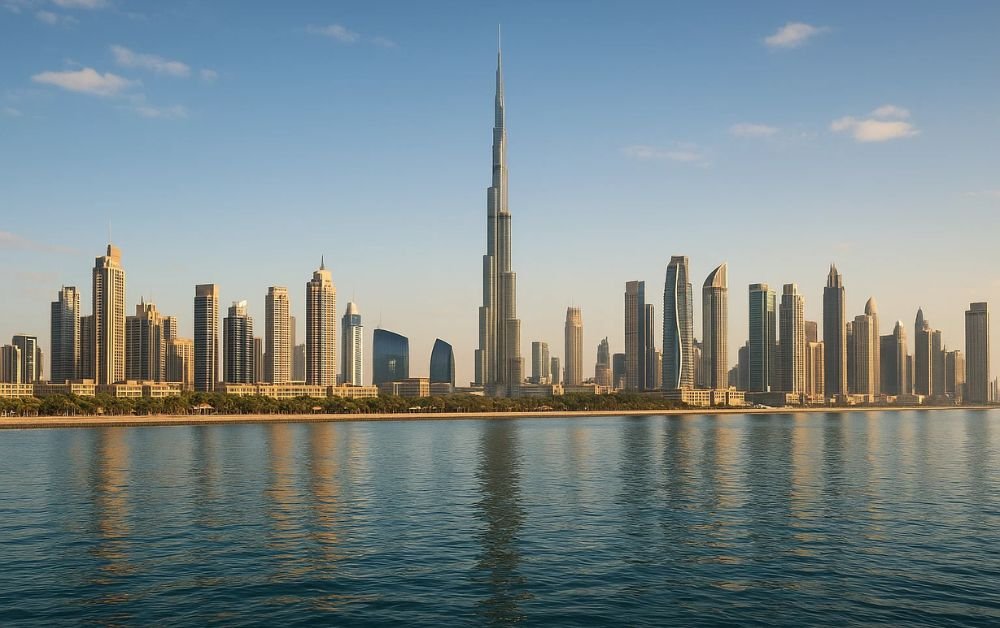
Dubai has earned a global reputation for its skyline, luxury developments, and ambitious infrastructure projects — and behind that growth is a thriving construction industry. For entrepreneurs, this makes Dubai one of the most attractive places to start a construction business. From commercial complexes and residential towers to government-led projects, opportunities are everywhere.
Setting up a construction company mainland allows you to work with both private and government clients, giving you access to larger contracts and total business flexibility. This guide explores the steps involved in a mainland business setup for a construction company in Dubai.

1. Learn the Legal Requirements
Before anything else, it’s important to understand the legal side of things. Construction businesses fall under Dubai’s commercial & industrial category and must be registered with the Department of Economic Development (DED).
Key legal steps include:
- Getting a Trade License – You’ll need a commercial or professional license that covers your specific construction activities.
- Civil Defense and Municipality Approvals – Some projects require additional clearance from Dubai Municipality or Dubai Civil Defense.
- Labor and Safety Compliance – Every construction company must follow UAE labor laws and maintain strict safety standards on-site.
Taking time to understand these regulations will save you from costly delays later on.
2. Choose Your Business Structure
Next, plan how your business will be structured. Common options in Dubai mainland include:
- Limited Liability Company (LLC): Best for partnerships, giving shared ownership & limited liability.
- Sole Establishment: A good fit for solo entrepreneurs who want full control.
- Civil Company: Mainly used by engineers or consultants providing specialized construction services.
Your choice will depend on your goals, investment plans, & how much control you want over the business. If you’re unsure, a setup consultant can help you make the right call.
3. Define Your Business Activity
The DED requires you to specify the exact nature of your business before issuing a license. For construction, this could include:
- General contracting
- Specialized work (like electrical, plumbing, or HVAC)
- Civil engineering or infrastructure projects
- Interior fit-out & finishing
Your license will be tied to these activities, so make sure you choose the right ones. Doing work outside your licensed scope might lead to penalties.
4. Reserve Your Company Name
Your company name is more than just a formality — it represents your brand. It must:
- Be original and not already taken in Dubai
- Clearly reflect your construction-related work
- Avoid political or religious references
You can reserve the name through the DED. If you’re working with a business setup firm, they can usually handle this part quickly for you.
5. Prepare the Necessary Documents
Prior you apply for your license, prepare the needed paperwork. This typically includes:
- A Memorandum of Association (MOA) or partnership agreement
- Passport copies of all shareholders and managers
- A tenancy contract for your office or business address
- Proof of funds or a bank reference letter
Having all your documents in order will aid speed up the approval process.
6. Apply for Your Trade License
Once your documents are prepared, you can apply for your trade license through the DED. The type of license depends on what you do:
- Commercial License: For general construction or contracting
- Professional License: For consultants or engineering specialists
- Industrial License: For sectors manufacturing or producing construction materials
Your trade license is what officially allows you to start operating in Dubai.
7. Open a Corporate Bank Account
After receiving your license, you’ll need a corporate bank account to handle payments, salaries, & business expenses. Most banks will ask for:
- Your trade license & registration documents
- Passport copies of owners and directors
- Proof of your business activities
Having a dedicated sector account makes financial management easier and ensures compliance with UAE banking laws.
8. Build Your Team
The success of your construction company will depend heavily on your team. You will require experienced engineers, site managers, & skilled laborers to deliver quality work. When hiring, make sure to:
- Follow UAE labor & visa laws
- Obtain proper work permits
- Provide safety & compliance training
A qualified and safety-conscious workforce is a must to earning client trust and winning repeat projects.
9. Meet Insurance and Safety Obligations
Construction work comes with risks, so insurance is a must. Companies are required to have:
- Worker health and safety insurance
- Third-party liability coverage
- Insurance for equipment & machinery
These not only protect your business but also reassure clients that you operate responsibly & professionally.
10. Market and Grow Your Business
Once everything is in place, focus on building your brand & finding clients. You can:
- Develop a professional website with your portfolio & services
- Network with real estate developers & government contractors
- Use digital marketing to promote your company
- Attend construction trade shows & industry events
Strong marketing & networking can quickly establish your sector in Dubai’s competitive market.
Final Thoughts
Launching a construction business in Dubai mainland takes planning, patience, & compliance with the city’s regulations. From picking the right company structure to securing licenses & hiring staff, each step builds the foundation for long-term success.
With the right approach — and help from an experienced setup partner — you can position your company to take advantage of Dubai’s growing demand for construction services.
If you want a smooth, professionally handled setup, S&S Business Setup can guide you through every stage — from securing approvals to finalizing your trade license — so you can focus on building your business instead of dealing with paperwork.